Live ABBAradio.com
ABBA: The Story Behind the Music
Few bands in modern music history have achieved the rare combination of global superstardom, timeless songs, and a personal story that continues to fascinate fans across generations. ABBA is not just a pop group; they are a cultural phenomenon whose influence spans music, fashion, film, and even tourism. At ABBAradio.com, we celebrate the music of ABBA 24 hours a day, but behind every unforgettable track lies a journey of creativity, determination, and personal connections that made ABBA who they are.
This page will guide you through ABBA’s story: how they came together, the key figures behind the scenes, the pivotal moments that defined their career, their legendary live performances, and the unique relationships within the band.
Beginnings: Four Talented Musicians
ABBA’s story starts with four individual artists in Sweden during the 1960s:
Agnetha Fältskog was already a rising star in Sweden, releasing her first single in 1967 at just 17 years old. Known for her pure voice and heartfelt ballads, she quickly built a reputation as a serious singer-songwriter.
Björn Ulvaeus, originally a member of the Hootenanny Singers, had a strong background in folk and pop. His knack for melodies and lyrics made him one of Sweden’s most promising young musicians.
Benny Andersson gained popularity as a member of the band Hep Stars, often called “the Swedish Beatles.” Benny was recognized as a gifted keyboardist and composer.
Anni-Frid Lyngstad, also known as Frida, won a national talent competition in 1967. Her rich mezzo-soprano voice and charismatic stage presence made her stand out immediately.
Before ABBA officially existed, the four met through Sweden’s vibrant music scene. Benny and Björn began collaborating on songwriting in the late 1960s, and as their partnership grew, so did their personal connections with Agnetha and Frida.
By the early 1970s, they were not only working together professionally but also paired romantically: Agnetha with Björn, and Frida with Benny.
From Experiment to Band: The Birth of ABBA
Their first attempt at collaboration came in 1970 with the cabaret-style project “Festfolk.” Although the show was not successful, it planted the seed for what would become ABBA. In 1972, they released their first single together under the name “Björn & Benny, Agnetha & Anni-Frid.”
The breakthrough came with “Ring Ring” in 1973. While the song didn’t win the Swedish selection for the Eurovision Song Contest, it became a huge hit in several European countries. Around this time, the group realized that they needed a catchier name. Using the initials of their first names, they became ABBA—a short, memorable title that would soon be known worldwide.
The Eurovision Triumph
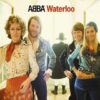
ABBA’s global breakthrough happened in 1974 when they entered the Eurovision Song Contest with “Waterloo.” Performed with energy, style, and glittery costumes, the song captured the spirit of the 1970s and won first prize. Eurovision provided ABBA with a massive international audience, and “Waterloo” became a chart-topping hit across Europe, even reaching the U.S.
This moment is often seen as the official beginning of ABBA’s superstardom. From then on, they were no longer just a Swedish band; they were global pop icons.
The Golden Years: Hits and Albums
Following Eurovision, ABBA began a remarkable run of success throughout the 1970s and early 1980s. Their ability to craft unforgettable melodies, combined with lush harmonies and sophisticated production, set them apart from other pop acts. Some highlights include:
Each album not only produced chart-topping singles but also reflected the band’s evolution, both musically and personally.
Important People Behind ABBA
ABBA’s success was not just the result of the four members. Several key people played a crucial role:
Legendary Live Performances
Although ABBA is best remembered for their studio recordings, their live performances also left a lasting impact.
Personal Lives and Band Dynamics
Part of ABBA’s intrigue comes from the fact that the band consisted of two married couples. Agnetha and Björn married in 1971, while Benny and Frida married in 1978. For a time, their romantic relationships seemed to symbolize unity and harmony within the group.
However, as fame and personal pressures mounted, cracks began to show. Agnetha and Björn divorced in 1979, and Benny and Frida separated in 1981. These personal struggles influenced their music, often giving their songs a raw emotional depth. “The Winner Takes It All,” for example, is frequently associated with Agnetha and Björn’s separation.
Despite these challenges, the four members continued to work together professionally until 1982. Their ability to maintain professionalism, even during difficult times, speaks volumes about their dedication to the music.
The Hiatus and Legacy
In 1982, ABBA decided to take a break, which gradually became a long hiatus. During the following decades, their music never truly disappeared. Compilations like ABBA Gold (1992) introduced a new generation to their hits, selling millions worldwide. Stage productions like Mamma Mia! (1999) and its film adaptations brought ABBA’s music to theaters and cinemas, turning their legacy into a multi-generational celebration. Each member pursued solo projects:
The Reunion and Voyage
For years, fans wondered if ABBA would ever reunite. In 2018, the band announced that they had recorded new music together. Finally, in 2021, ABBA released Voyage, their first studio album in 40 years. The album included singles like “I Still Have Faith in You” and “Don’t Shut Me Down,” which were warmly received by fans and critics alike.
At the same time, they launched the innovative ABBA Voyage concert experience in London, featuring digital avatars (“ABBAtars”) of the band performing with a live band. This groundbreaking fusion of technology and performance has given fans a new way to experience ABBA’s magic.
ABBA’s Impact
ABBA’s impact on music and culture is hard to overstate. With over 385 million records sold worldwide, they remain one of the best-selling music acts in history. Their songs are staples at weddings, parties, and karaoke nights. They have influenced countless artists across pop, rock, and electronic genres.
Beyond the charts, ABBA became cultural icons. Their costumes, music videos, and unapologetic embrace of pop glamour made them pioneers in the visual side of music. Decades later, ABBA continues to unite people of all ages with their joyful, heartfelt music.
Conclusion
ABBA’s story is one of talent, collaboration, personal challenges, and above all, music that has stood the test of time. From the Eurovision stage in 1974 to the digital arena of Voyage in 2021, they have constantly reinvented themselves while remaining true to their unique sound.
At ABBAradio.com, we honor not only the unforgettable songs but also the journey behind them. ABBA is more than music; it is a legacy of joy, resilience, and the universal power of pop.
play_arrow
People Need Love ABBA
play_arrow
He Is Your Brother ABBA
play_arrow
Ring Ring ABBA
play_arrow
Another Town, Another Train ABBA
play_arrow
Love Isn't Easy (But It Sure Is Hard Enough) ABBA
1
play_arrowABBA
2
play_arrowABBA
3
play_arrowABBA
4
play_arrowABBA
5
play_arrowABBA
Every weekend from 00:00 to 20:59, ABBAradio.com presents We Want ABBA Weekend: 21 hours of nonstop ABBA hits, rarities, live recordings, and solo work.
close
21 Hours of ABBA Magic
12:00 am - 9:00 pm
The Voice of ABBA.
9:00 pm - 12:00 am
21 Hours of ABBA Magic
12:00 am - 9:00 pm
The Soul of ABBA.
9:00 pm - 12:00 am
21 Hours of ABBA Magic
12:00 am - 9:00 pm
Take a Chance on Us | Sign up for our newsletter and discover exclusive playlists, updates, and ABBA magic you won’t want to miss. Your information is safe with us, and we won’t spam you.
ABBAradio.com is an independent entity and is in no way affiliated, associated, authorized, endorsed by, or in any official connection with ABBA, its members, or any other ABBA-related organization. All trademarks, copyrights, and related intellectual property remain the property of their respective owners.
This website is created purely as a tribute to ABBA’s music and legacy, with no commercial affiliation or official representation.