The Evolution of ABBA’s Musical Style Over the Decades: From Eurovision Pop to Timeless Influence
Introduction: Why ABBA’s Musical Style Evolution Matters
ABBA’s music is one of the most recognizable threads in modern pop culture. From a rousing Eurovision victory to global chart domination, then a long hiatus and eventual 21st-century revival, ABBA’s journey is also a study in musical adaptation. This article explores the abba musical style evolution, answering how ABBA’s style changedacross the decades of ABBA music, and highlighting the changes in ABBA’s music that shaped contemporary pop.
Snapshot of ABBA’s career and cultural footprint:
- ABBA formed in Stockholm in the early 1970s and became one of the best-selling pop groups globally, with estimated sales of over 380 million records worldwide (see Britannica).
- They blended pop, disco, folk, and theatrical songwriting into a highly produced sound that resonated internationally.
- ABBA’s influence expanded beyond records into stage musicals (“Mamma Mia!”), film adaptations, and ongoing sampling and covers—making their abba genre influences a continuing subject of interest.
This article covers the 1970s and 1980s, the post-ABBA years and revival, then analyzes drivers of change and the group’s legacy. It integrates the SEO phrases naturally: abba musical style evolution, how abba’s style changed, decades of abba music, changes in abba’s music, abba genre influences, musical transitions in abba’s career, and abba’s style through the years.
1980s: Greater Sophistication and Musical Transitions
Shifts toward mature themes and layered arrangements — “musical transitions in abba’s career”
In the late 1970s and into the early 1980s, ABBA’s lyrics reflected more introspection and adult themes—divorce, loneliness, and regret—paralleling the personal lives of band members. This shift made their music feel more emotionally complex.
Notable developments:
- Greater lyrical candor and narrative depth.
- More restrained arrangements in some tracks to spotlight text and vocals.
- A move away from formulaic pop toward songs with atmospheric textures and experimental sections.
This period is central to understanding how ABBA’s style changed from jubilant pop toward nuanced, mature pop music.
Use of synths, studio experimentation, and evolving vocal approaches
Technological change affected ABBA’s sound:
- Adoption of synthesizers and electronic textures (synth-pop influences).
- More adventurous studio production: gated reverbs, layered synth pads, and textural percussion.
- Vocally, there was a subtle shift: where earlier tracks emphasized bright harmonies, later recordings sometimes featured more intimate lead vocal production and emotionally raw deliveries.
Examples:
- “The Visitors” (1981 album) uses synths and darker production, addressing themes like political tension and personal alienation—a clear sign of abba’s style through the years moving into more introspective territory.
- “One of Us” (1981) spotlights a stripped-back arrangement and poignant lyricism.
These decisions mirrored wider popular music trends in the 1980s, including the rise of new wave, synth-pop, and an appetite for sonic experimentation.
Songs and albums that mark how ABBA’s style changed in the 1980s
Key records and tracks:
- The Visitors (1981) — ABBA’s most sonically experimental and thematically mature album.
- “When All Is Said and Done” — somber tone, reflective lyricism.
- “Head Over Heels” (1982, post-major releases) — mixed elements of their classic pop approach with synth-driven production.
The 1980s show a band that adapted studio innovations without abandoning its melodic core—an essential chapter in the abba musical style evolution.
Post-ABBA Years and Rediscovery: Legacy and Revival
Solo projects, reunions, and how the band’s sound influenced later work — “decades of abba music”
After ABBA’s split in 1982, members pursued solo projects and theater:
- Benny and Björn moved into musical theatre and collaborations, notably the musical “Chess” (1984), and later the ubiquitous stage show “Mamma Mia!” (premiered in 1999).
- Agnetha and Frida released solo albums that explored pop and adult contemporary styles.
The band’s songwriting and production approach continued to ripple into the 1990s and 2000s, informing contemporary pop songwriting and musical theatre. ABBA’s melodies and harmonic sense became templates for radio-friendly writing across the English-speaking markets.
Legacy in sampling, covers, and modern reinterpretations — linking back to “abba’s style through the years”
ABBA’s songs have been:
- Sampled and covered by artists from diverse genres (dance remixes, indie covers, orchestral arrangements).
- Central to the stage musical and film adaptations: Mamma Mia! the film (2008) grossed over $600 million worldwide, demonstrating the enduring commercial power of ABBA’s catalog ([Box Office Mojo]).
- Rediscovered by new audiences through streaming platforms—ABBA’s catalogue accrues hundreds of millions of streams across services.
These reinterpretations highlight the band’s cross-decade appeal and the malleability of the ABBA sound—proof of their long-term abba genre influences.
How public and critical perceptions reframed ABBA’s genre influences over time
Critics once dismissed ABBA as “disposable pop”; later appraisals recognized their sophistication:
- The clarity of their melodic writing and studio mastery earned renewed respect from musicologists and pop historians.
- Public perception shifted as later artists cited ABBA as an influence—turning a once-commercial tag into a badge of songwriting excellence.
This reframing is a major feature of musical transitions in ABBA’s career as the band moved from pop phenomenon to canonical pop influence.
Cross-Decade Analysis: What Drove ABBA’s Musical Changes
Internal factors: songwriting partnership, personal lives, and artistic ambition
- The core creative partnership of Benny and Björn provided continuity and a single vision for experimentation.
- Personal events (notably divorces within the band) fed into the lyrical trajectory, adding emotional weight to later songs.
- Artistic ambition pushed the band to refine production and experiment with new sounds instead of repeating past commercial formulas.
These internal dynamics directly shaped how ABBA’s style changed over time.
External factors: technology, popular music trends, and the music industry
- The rise of disco, synthesizers, and MTV-friendly production styles influenced ABBA’s instrumentation and arrangement choices.
- Industry shifts—like the move toward more polished radio production—encouraged the band’s studio-forward approach.
- Globalization of pop meant ABBA consciously balanced international tastes, combining Anglo-American pop sensibilities with Scandinavian melodic identity.
These external pressures and opportunities explain many of the changes in ABBA’s music across decades.
Mapping “abba musical style evolution” across decades and identifying patterns
1970s: Hook-driven, orchestral pop; rising dance influences
1980s: Synth textures, mature themes, studio experimentation
1990s-2000s: Rediscovery through theatre, covers, and film
2020s: Reunion and recontextualization (e.g., 2021 "Voyage" album + digital/virtual concerts)
Patterns:
- Melody-first songwriting persisted even as instrumentation changed.
- Lyrical content matured over time, reflecting both personal experience and broader social currents.
- Production evolved from organic orchestration to synthesized landscapes and back to hybrid forms.
This mapping captures the arc of abba’s style through the years and highlights how continuity (melody, harmony) coexisted with change (technology, theme).
Influence and Genre Legacy: ABBA’s Place in Pop History
How ABBA’s blend of genres created lasting templates — “abba genre influences”
ABBA’s signature involved cross-pollination:
- Pop + disco = danceable, mainstream hits.
- Folk + pop = memorable storytelling ballads.
- Musical-theatre sensibility + pop hooks = songs suitable for stage and screen.
These combinations created templates that songwriters and producers still emulate, especially in crafting emotionally resonant yet radio-friendly pop songs.
Artists and genres influenced by ABBA; modern examples of “abba’s style through the years”
Artists who reflect ABBA’s influence include:
- Contemporary pop acts who emphasize big choruses and lush production (e.g., Katy Perry, Dua Lipa in some disco-pop moments).
- Indie and synth-pop acts who sample ABBA-like harmonies and layered arrangements.
- Musical theatre composers who draw on ABBA’s narrative-pop model (as seen in the success of jukebox musicals).
Modern examples:
- The resurgence of disco-flavored pop in the late 2010s and early 2020s echoes ABBA’s legacy.
- Sampling and covers appear across genres—electronic producers reimagining ABBA’s hooks for club contexts.
Why the band’s changes matter for contemporary pop and music scholarship
ABBA provides a case study in:
- How songwriting fundamentals (melody, structure) survive technological and stylistic change.
- The cultural lifecycle of pop: initial success, critical reassessment, scholarly interest, and revival.
- The economic and artistic longevity possible when songs connect across languages and generations.
For music scholars and industry professionals, ABBA illustrates the value of balancing timeless songwriting with stylistic reinvention.
Conclusion: Summarizing the Changes in ABBA’s Music and Their Enduring Impact
Recap of major stylistic shifts and “musical transitions in abba’s career”
- 1970s: Built a universally appealing pop language—catchy melodies, lush production, and danceable rhythms.
- 1980s: Embraced synths and mature subjects, deepening emotional and sonic complexity.
- Post-breakup and revival: Members pursued theatre and solo work; the catalog found new life through musicals, film, and renewed critical respect. In 2021, ABBA released the album “Voyage” and launched a virtual concert residency, underscoring their adaptability ([Official ABBA site]).
Final thoughts on “how abba’s style changed” and why “decades of abba music” still resonate
ABBA’s evolution shows that change in pop need not abandon core identity. The heart of ABBA—memorable melodies, expert harmonies, and a sense of theatrical immediacy—remained intact. What shifted were the textures, themes, and production tools they used to express those ideas. That balance explains why their music endures across generations and markets, especially in English-speaking countries where their songs remain radio staples.
Suggested further listening and resources to explore ABBA’s evolution
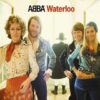
- Start with the hits: “Waterloo”, “Mamma Mia”, “Dancing Queen”, “Knowing Me, Knowing You”.
- Dive deeper: the albums “Arrival” (1976) and “The Visitors” (1981).
- Explore adaptations: Mamma Mia! (stage show and 2008 film) for cultural impact.
- Read more: Britannica’s ABBA entry for historical context Britannica: ABBA.
- ABBA official site for latest news and the 2021 “Voyage” project: Official ABBA.
Practical takeaways for songwriters and producers:
- Prioritize melodic clarity; it travels across genres and decades.
- Use production to serve emotion—technology should enhance, not obscure, the song.
- Evolve lyrically as you age: maturity in subject matter can broaden artistic depth without sacrificing audience appeal.
“ABBA’s music shows how timeless songwriting can bend to new sounds while keeping its heart.” — (Paraphrase of critical consensus)
Thank you for reading. If you enjoyed this deep dive into ABBA’s musical journey, explore their albums on your preferred streaming service or visit the official ABBA site to hear how their sound continues to sparkle through the decades. Take action: pick one ABBA era you haven’t listened to recently and stream an album from that period—then notice which musical transitions stand out most to you.


 play_arrow
 play_arrow
 play_arrow
 play_arrow
 play_arrow




 Carl Magnus Palm | ABBA RSS




Post comments (2)